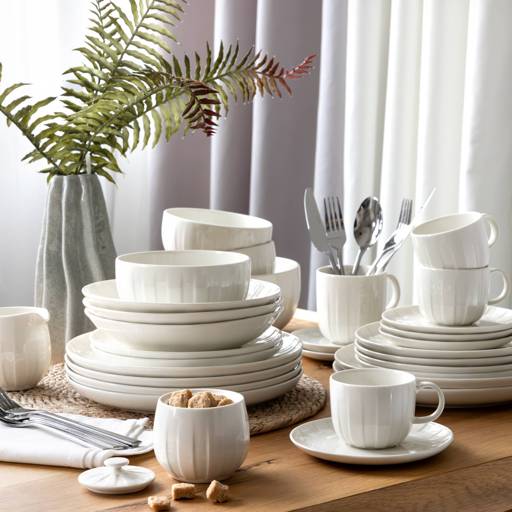
Self-decorating a communion table often keeps many people organizing this important event awake at night. However, properly selected dinnerware and elegant accessories can completely transform the character of any party. Here you will learn exactly how to combine individual elements of the table setting. You will also see that creating a stunning arrangement is simple and gives a lot of satisfaction!
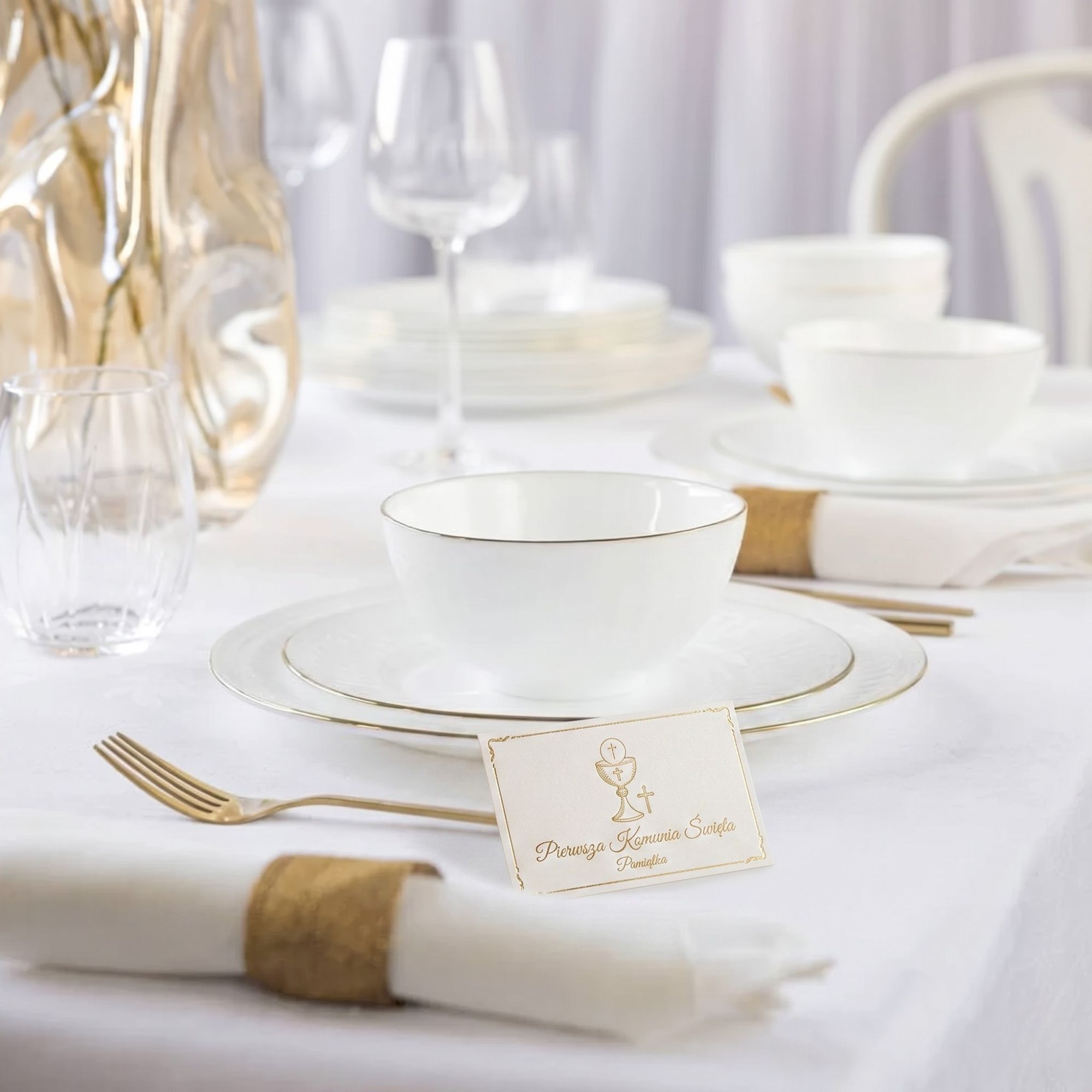
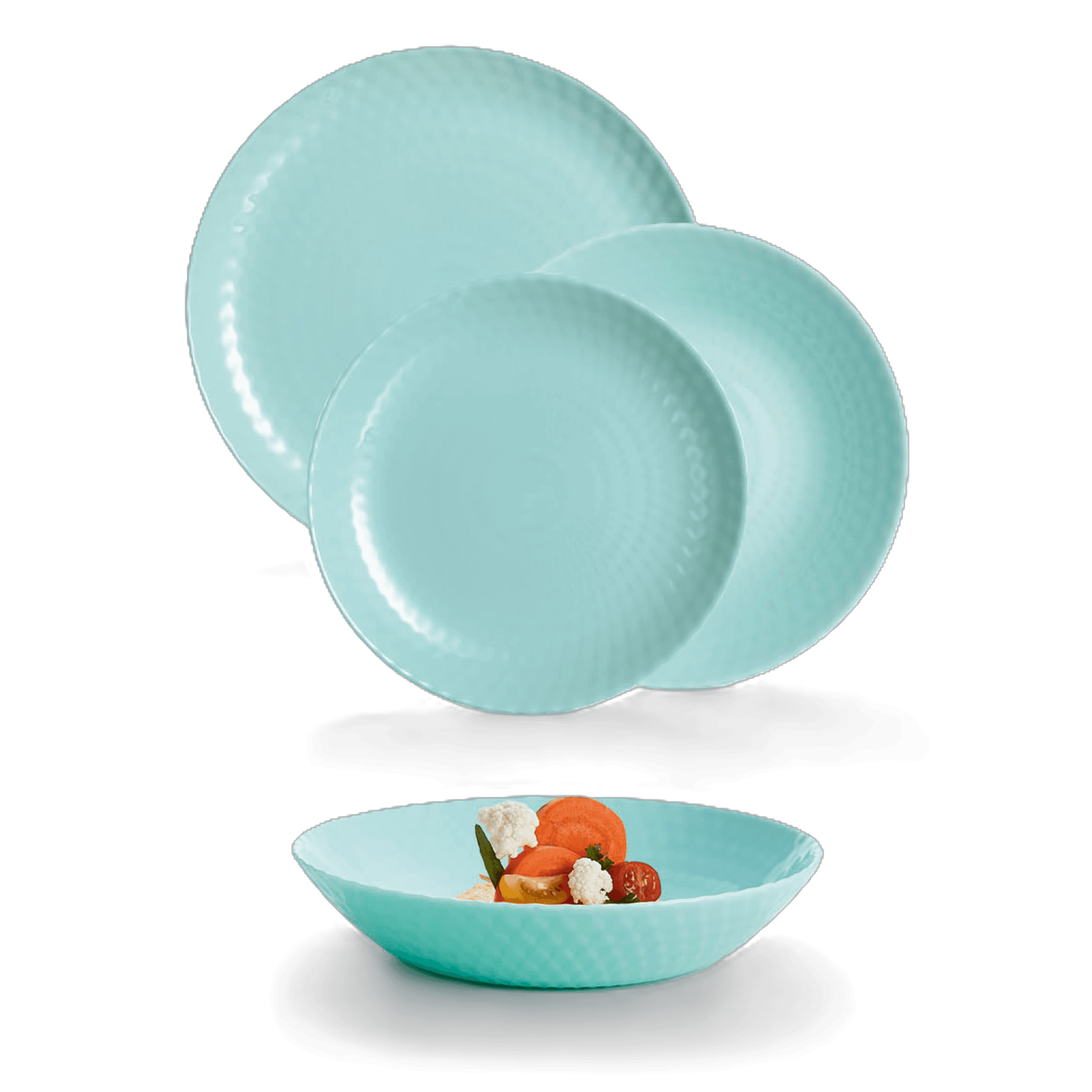
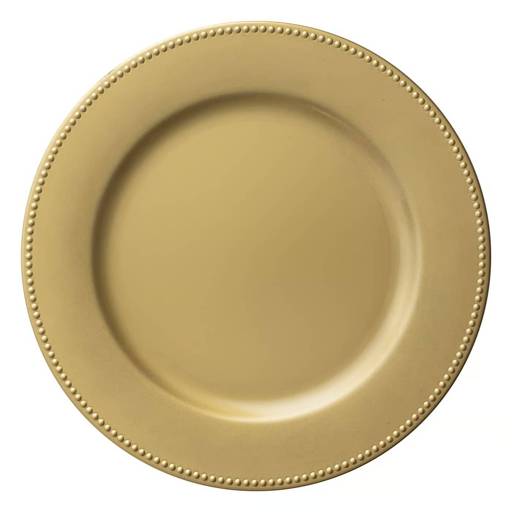
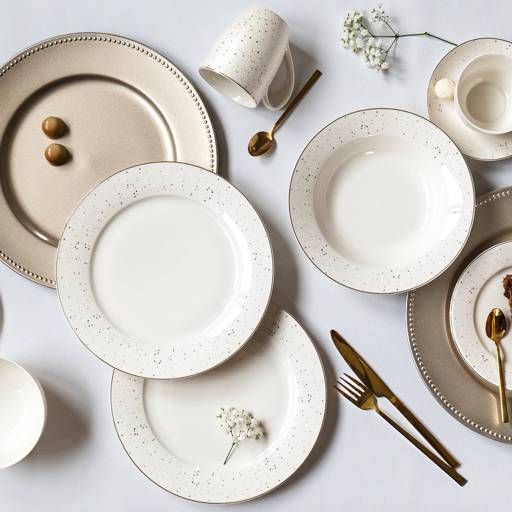
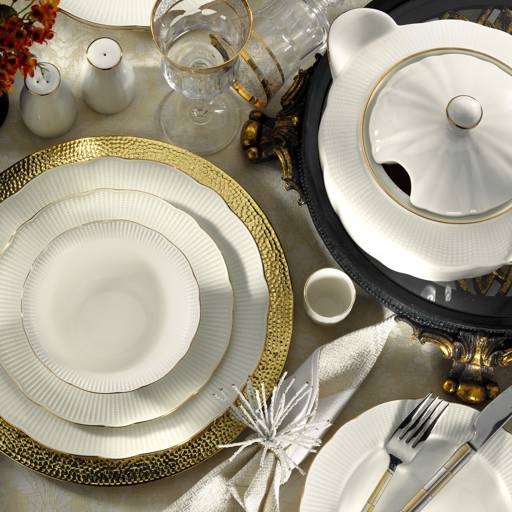
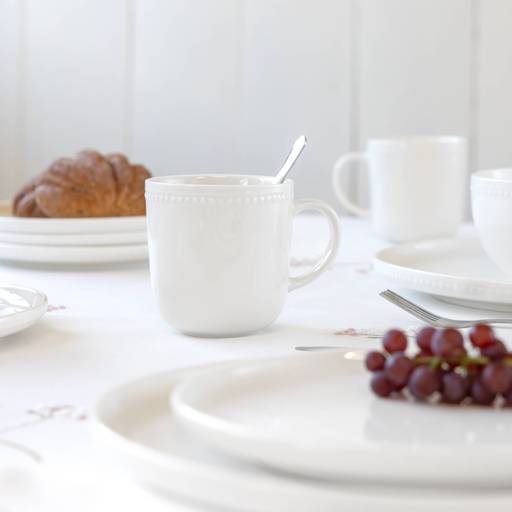
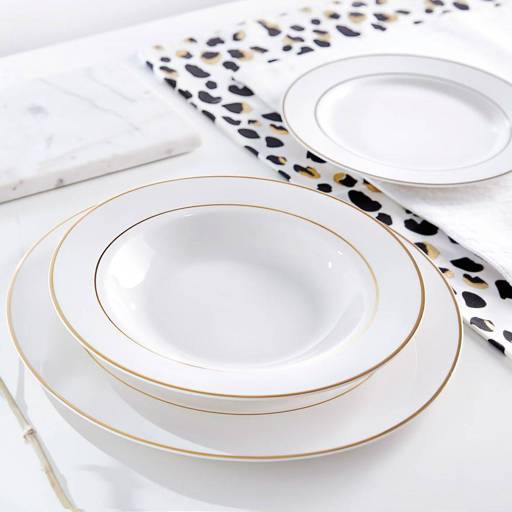
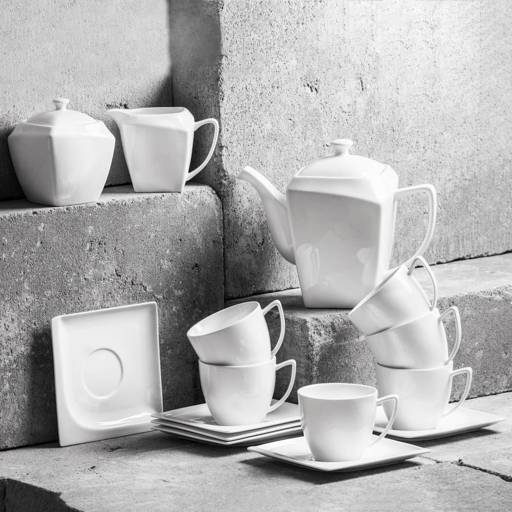
Preparations for a solemn communion dinner should begin with the selection of appropriate tableware, which will become the foundation of the entire table arrangement. It is the plates and platters that set the tone for the decoration, so their style should harmonize with the lofty nature of the event. Classic white porcelain and white tempered glass remain the most popular choices: universal, elegant, and timeless. Such a base provides great opportunities for further decorating the table with accessories such as napkins, flowers, or candle holders.
When deciding on a specific dinner service, it is worth paying attention not only to aesthetics but also to practical aspects of use. Traditional, round plates introduce visual peace and classic elegance, perfectly fitting the significance of the communion ceremony. Their symmetrical form makes the table look harmonious and organized, which is of great importance for larger family gatherings.
The snow-white shade has another advantage: it reflects light perfectly, making the table appear brighter and the dining space optically larger. This is a particularly beneficial solution in smaller rooms or for tables set in places with limited access to natural light.
An inseparable element of an elegant table setting is properly selected cutlery. It should harmonize stylistically with the tableware and emphasize the solemn nature of the meeting. The best choice is sets made of high-quality stainless steel, which combine durability, resistance to damage, and an aesthetic shine. Thanks to this, they maintain an impeccable appearance for a long time, even with frequent use.
In the case of a communion party, it is worth choosing models with a classic, simple design or delicate decorations. This way, they do not overwhelm the arrangement but subtly complement it. The shining surface of the cutlery beautifully reflects the light of candles and decorations, adding elegance and a unique character to the table.
The aesthetics of a table setting is not only about choosing the right elements but also about their proper arrangement. The rules of etiquette clearly define where each piece of cutlery should be placed. Knives are always placed on the right side of the plate, with the blade facing towards it; this is not only a matter of tradition but also of safety and convenience of use.
Forks, on the other hand, are located on the left side of the plate, arranged in order of use, from the outside in. Above the plate, parallel to its edge, dessert cutlery is placed: a small spoon and a dessert fork. Such an arrangement makes guests feel comfortable and intuitively know which element to reach for at a given moment of the meal.
Attention to detail in the communion table setting not only enhances the aesthetic value of the party but also builds a unique atmosphere that remains in the memory of all participants of the ceremony for a long time.
Properly selected glassware is one of the key elements of a First Communion arrangement, subtly emphasizing the unique character of the meeting. Wine glasses, tumblers, and carafes should be not only aesthetic but also stylistically consistent with other elements of the table setting. Models with simple, timeless forms, made of transparent, high-quality glass that beautifully reflects light and adds lightness to the entire table composition, work best.
It is worth ensuring a set of glasses matched to the served drinks, for water, juices, or carbonated beverages. Their uniform style introduces harmony and order, while simultaneously affecting the comfort of guests during the meal. The delicate shine of the glass harmonizes perfectly with white porcelain and shiny cutlery, creating an elegant, coherent whole.
Vases also play an important role in table decoration, serving as an effective yet unobtrusive addition to the arrangement. It is best to choose models with slender shapes or classic, rounded forms that do not overwhelm the composition and do not limit visibility between guests. Transparent vases perfectly display fresh flowers, most often white or in pastel shades, emphasizing the solemn and subtle character of the party.
In the case of larger tables, it is worth considering placing several smaller vases instead of one large one. This approach allows for an even distribution of decorations and maintains the lightness of the arrangement. Additionally, glass combined with natural elements, such as flowers or delicate greenery, introduces freshness and elegance, creating an atmosphere conducive to celebrating together.
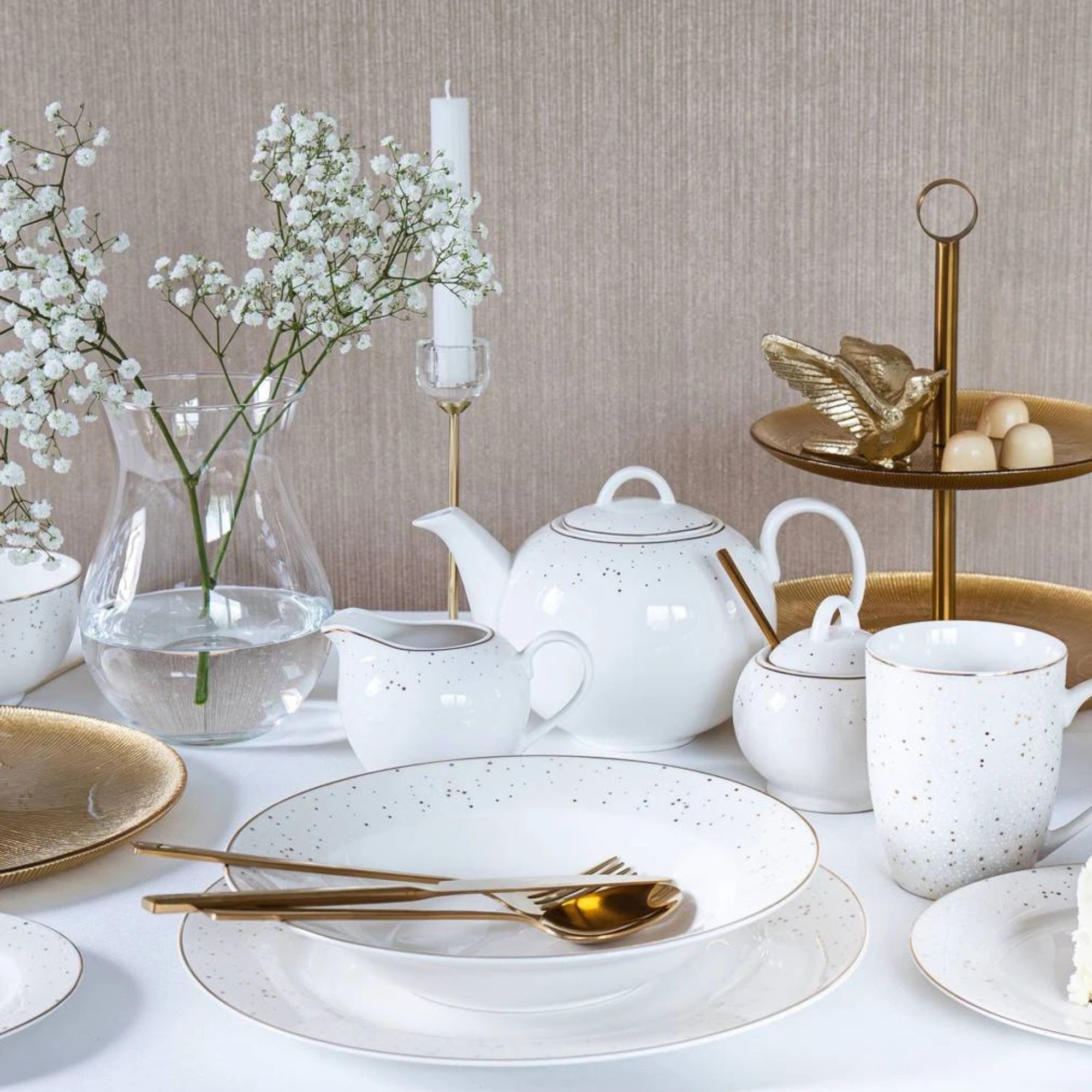
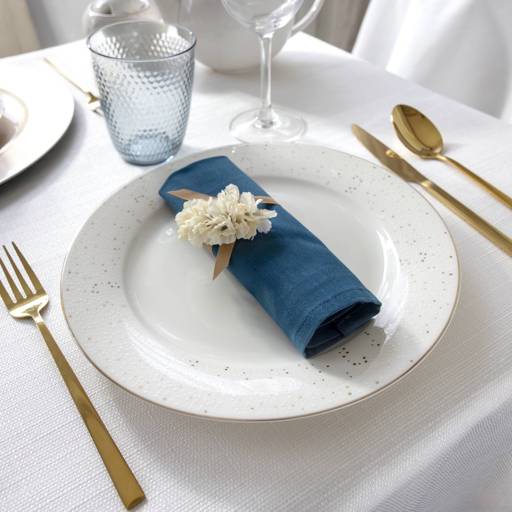
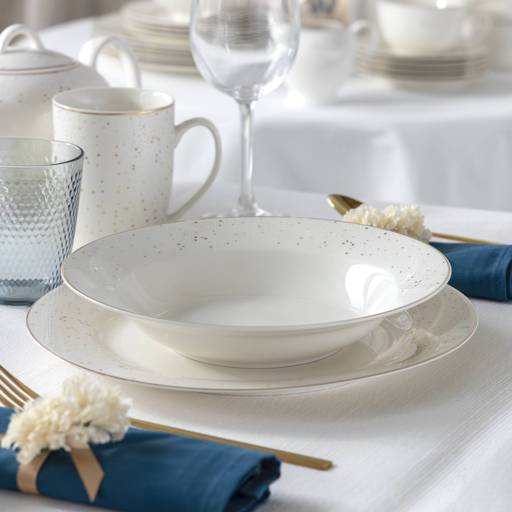
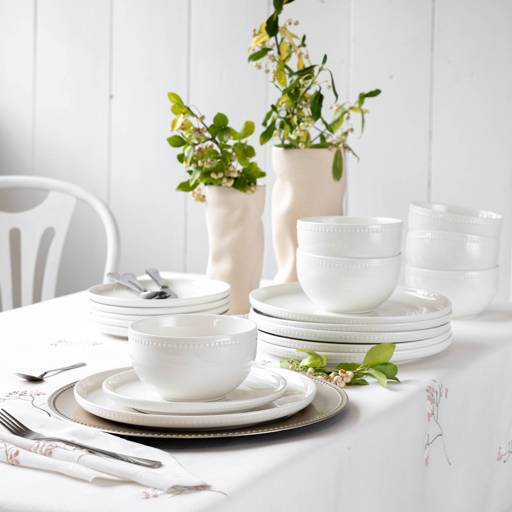
Creating a harmonious communion table arrangement requires a thoughtful combination of all elements: from tableware and textiles to decorations. The key to success is stylistic consistency and moderation, which allows for elegance without an overbearing effect. The foundation is choosing a uniform color base. Most often, shades of white, écru, and delicate pastels dominate, emphasizing the solemn and subtle nature of the party. The background in the form of a tablecloth or runner should be toned down and blend well with the tableware. The next step is to match all the place setting elements so that they form a coherent whole. Porcelain, cutlery, and glassware should have a similar style: classic, modern, or delicately decorated. This makes the table look elegant and organized, even with a larger number of guests. One cannot forget about textiles, which largely build the character of the arrangement. Fabric napkins or high-quality paper ones can be a subtle decorative accent. Properly folded or tied with a delicate ribbon, they add a festive look to the table. Decorations should be light and unobtrusive. Fresh flowers, candles, or small ornaments placed in the central part of the table introduce a pleasant atmosphere, but they should not limit space or hinder contact between guests. It is worth opting for several smaller elements instead of one dominant decoration. Finally, it is worth taking care of the details that affect the perception of the whole: even placement of plates, polished cutlery, or symmetrical arrangement of accessories. It is these small elements that make the communion table arrangement look elegant, coherent, and special.
Which flowers will work best for a communion table?
The best choice will be delicate light flowers such as lilies of the valley, eustomas, baby's breath, or classic white freesias.
Is it appropriate to use paper napkins for a communion?
Fabric napkins will definitely be more elegant, but thick, high-quality non-woven napkins will also pass the test during dinner.
How much space on the table should be allocated for one guest?
Each person should have a space about sixty centimeters wide at their disposal for full comfort while eating a meal.
How to decorate a table for a communion?
A communion table is best decorated with fresh flowers, elegant candles, subtle napkins, and delicate decorations in a bright, coherent color scheme.
How to set a table elegantly?
An elegant table setting consists of setting out matching tableware, correctly arranging cutlery according to the rules of etiquette, and choosing coherent, subtle decorations.
What to put on the table instead of a tablecloth?
Instead of a tablecloth, you can place an elegant runner, placemats, doilies, or a decorative mat matched to the style of the arrangement on the table.