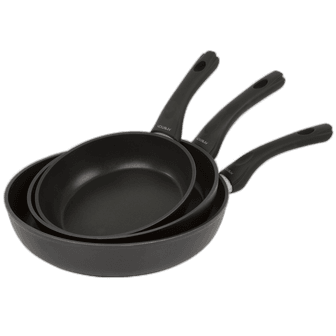
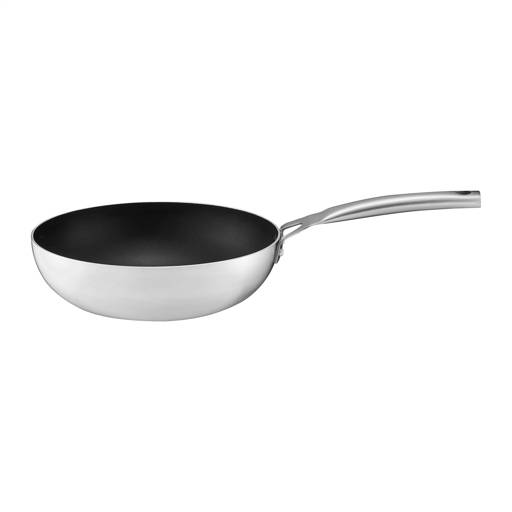
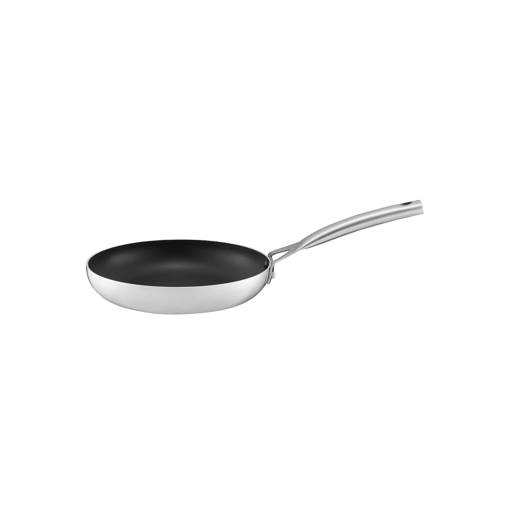
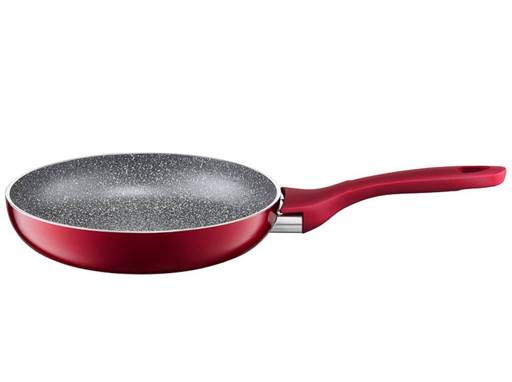
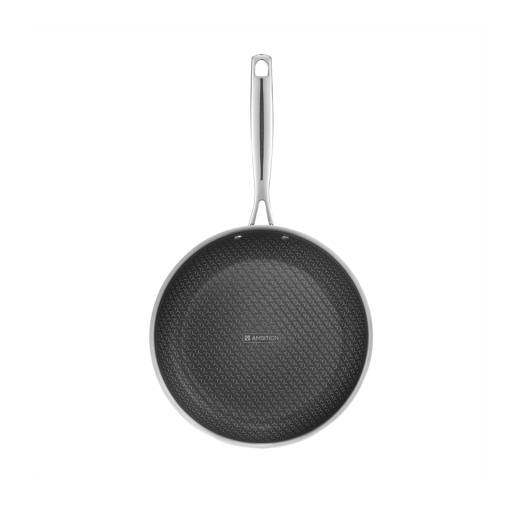
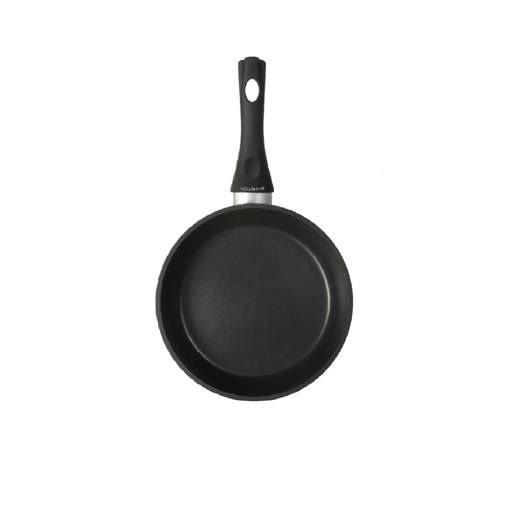
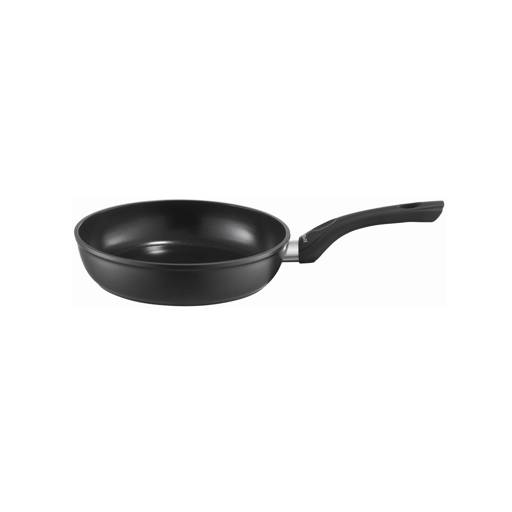
Patelnia to jedno z najczęściej używanych naczyń w każdej kuchni. Smażenie naleśników, przygotowanie obiadu, podsmażanie warzyw czy mięsa, każdego dnia jest narażona na działanie wysokiej temperatury i intensywną eksploatację. Z czasem niektórzy użytkownicy zauważają problem: patelnia zaczyna się wybrzuszać, jej dno przestaje być idealnie płaskie, a podczas smażenia olej lub tłuszcz spływa na brzegi. Dlaczego patelnia się wybrzusza? Najczęściej przyczyną jest gwałtowna zmiana temperatury, niewłaściwe użytkowanie lub wybór zbyt lekkiego naczynia wykonanego z cienkiego materiału. Nie oznacza to jednak, że każda patelnia z czasem musi się odkształcić. Odpowiednia technika smażenia, prawidłowa pielęgnacja oraz wybór solidnego modelu pozwalają znacząco wydłużyć jej żywotność. W tym poradniku wyjaśniamy, dlaczego dno patelni się wygina, jakie błędy najczęściej prowadzą do deformacji oraz na co zwrócić uwagę podczas zakupu nowego naczynia.
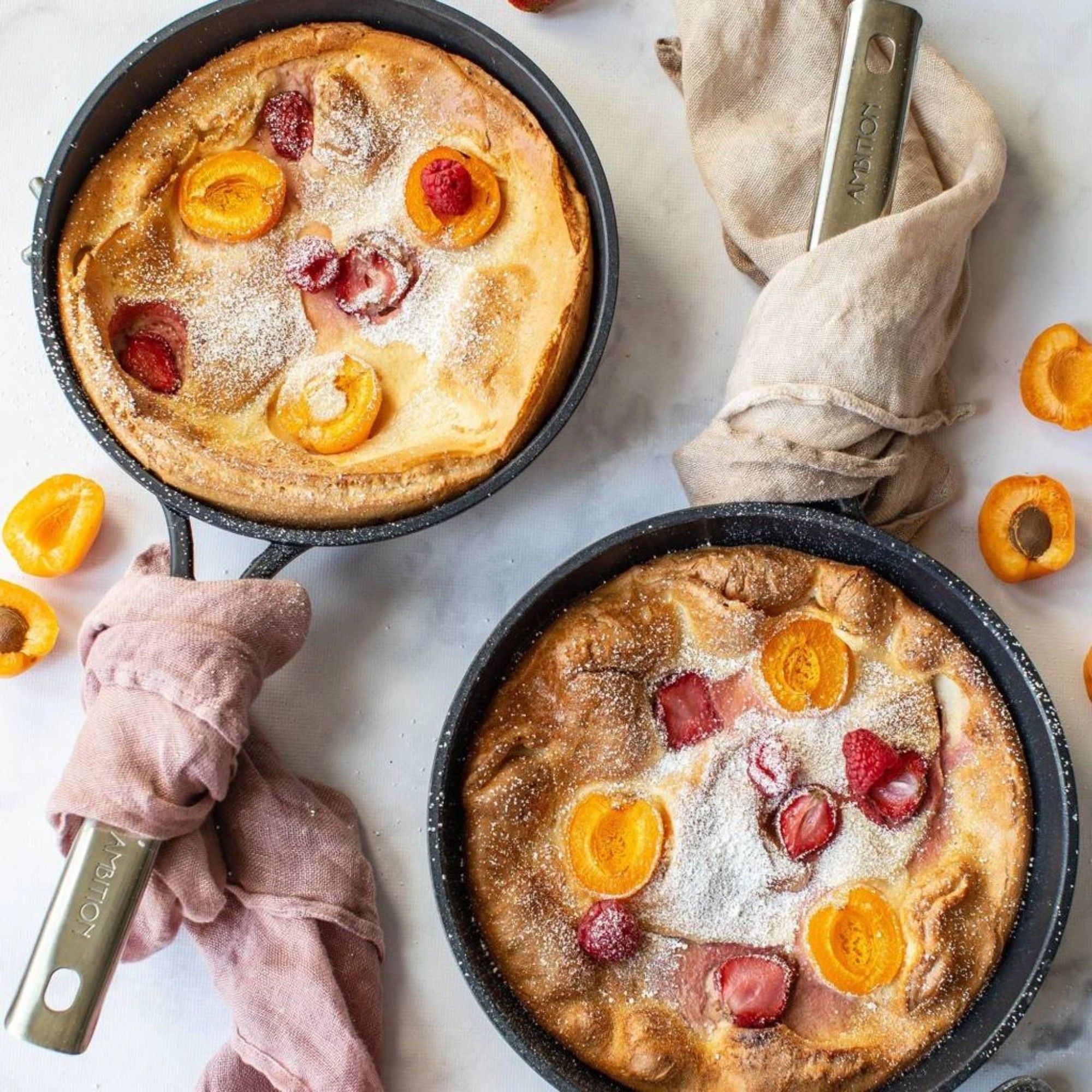
The most common reason for pan deformation is the effect of high temperature. Every material expands under the influence of heat and contracts during cooling. This is a natural phenomenon, but the problem arises when the temperature change occurs too rapidly. During rapid heating, one part of the pan may reach a very high temperature faster than the other elements. This creates uneven stresses within the material. If they are too large, the metal can permanently change its shape.
This most often happens during situations such as:
It is worth remembering that heating the pan itself is not harmful, after all, that is what it is for. The problem is primarily the suddenness of temperature changes.
Thermal shock is a situation in which a material transitions from one temperature to another in a very short time. In the case of a pan, it can occur, for example, when a hot vessel is flooded with cold water immediately after frying. Although it may seem that rapid cooling makes cleaning easier, in reality, it is one of the most common reasons for bottom damage. The metal on the outer part of the pan begins to contract faster than its heated interior. The resulting stresses can lead to permanent bending. A similar effect can occur when frying products taken straight from the fridge or freezer. The sudden contact of a very cold ingredient with a heavily heated surface causes uneven heat release and absorption. To reduce the risk of damaging the pan, it is worth letting it cool down calmly after cooking. Only after a few minutes can you start washing.
The material and construction of the pan are of great importance for its resistance to deformation. Lightweight, very thin models react faster to temperature changes. They heat up instantly, but can just as quickly undergo uneven expansion. This does not mean that every lightweight pan will be fragile. Much depends on the production technology used. However, for people who cook often and use high temperatures, models with a more solid construction are a better choice. Pans made of thicker aluminum or having a multi-layer bottom distribute heat better and are more stable during use. The temperature is distributed more evenly, which reduces the risk of stress.
Many users only notice the problem with pan deformation after switching to an induction cooker. This is no coincidence. Induction hobs work very quickly and efficiently transfer energy to the bottom of the vessel. It is particularly dangerous for the pan to use the maximum power function while the vessel is still empty. In such a situation, the bottom can heat up very rapidly before the heat is evenly distributed over the entire surface. To safely use a pan on induction:
Proper use of a frying pan has a huge impact on its durability. Even a high-quality vessel can become deformed if it is regularly exposed to sudden temperature changes or improper working conditions. The first rule is gradual heating of the pan. Many people make the mistake of immediately setting the highest heating power to start frying faster. Especially in the case of induction hobs, this can lead to very rapid heating of one part of the bottom, while the rest remains cooler. It is better to start with a medium temperature and increase the power only when the pan has heated up evenly. You should also not leave an empty pan on a turned-on burner for a long time. Short preheating before adding ingredients is a normal part of cooking, but heating an empty vessel for many minutes can cause the material to overheat and damage both the bottom and the non-stick coating. The way products are added is also of great importance. If you are preparing meat, vegetables, or other ingredients previously stored in the refrigerator, it is worth letting them warm up for a moment. It is not about leaving them out of the fridge for a long time, but about avoiding a very large temperature difference between the cold product and the heated bottom of the pan. Proper use also includes choosing the right size of the heating zone. The pan should match the diameter of the burner or induction zone. A zone that is too small can cause uneven heating, while too much power on a small surface can lead to local overheating.
When a pan changes its shape, many people wonder if it can still be saved. Unfortunately, permanent deformation of the bottom usually means that the vessel will not return to its original appearance. Attempts to straighten the pan yourself by hitting it with a hammer, pressing, or bending can do more harm than good. Such actions can damage not only the metal but also the protective coating on the surface of the vessel. In the case of non-stick pans, this is particularly problematic. Even if you manage to partially level the bottom, the coating may be compromised, which will affect the safety and comfort of use. A bulged pan may also conduct heat less effectively. If the bottom does not adhere evenly to the heating surface, frying becomes less efficient, and dishes may cook unevenly. Therefore, a much better solution is to prevent deformation through proper use and choosing a solid vessel made of durable materials, such as Ambition pans or Fiskars pans.
In the case of induction cookers, the flat bottom of the pan is of particular importance; for the device to function properly, the surface of the vessel should adhere well to the heating zone. A deformed bottom can cause several problems. Above all, heat will not be transferred evenly, which can extend cooking time and increase energy consumption. If the pan sticks out significantly from the surface of the hob, it may also move while stirring ingredients. In extreme cases, an uneven bottom can cause additional mechanical stress and increase the risk of scratching the glass surface. For this reason, it is worth regularly checking the condition of your cookware. If the pan has stopped standing stably on a flat surface or clearly wobbles, it is a sign that permanent deformation has occurred.
Proper care allows you to maintain not only the appearance of the pan but also its functional properties. After frying is finished, the most important thing is not to rapidly cool the heated vessel. After removing the pan from the stove, leave it for a few minutes so that the temperature drops gradually. Only then can you start washing. Such a simple action significantly reduces the risk of stress in the material. When cleaning, avoid harsh sponges, wire scrubbers, and aggressive agents that could damage the surface. For non-stick pans, mild detergents and soft kitchen accessories work best. Storage is equally important. Stacking several pans on top of each other without protection can lead to scratches and mechanical damage to the edges. A good solution is special protective dividers that separate the vessels and protect their surfaces. Taking care of a pan does not require much effort, but the regularity of these actions allows it to maintain its properties for a much longer time.
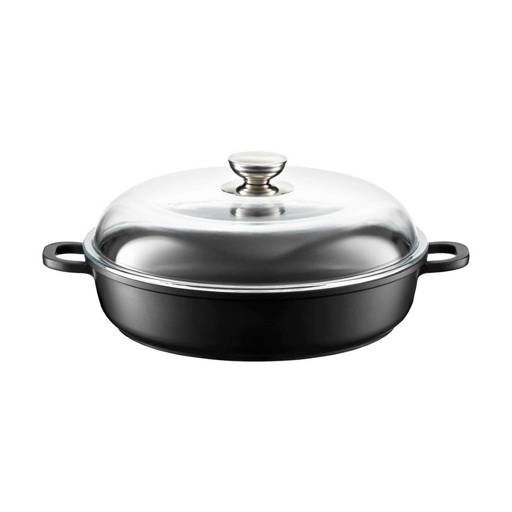
If you want to buy a pan that will be resistant to intensive use, it is worth paying attention primarily to the construction of the bottom and the quality of the materials used. The greatest stability is provided by models with a thicker, solid bottom. Such pans react more slowly to sudden temperature changes and distribute heat better across the entire surface. A good choice are pans made of cast aluminium. They are characterized by high mechanical resistance, while remaining relatively light and comfortable for everyday use. It is also worth paying attention to the quality of the bottom's construction. Full induction construction, appropriate material thickness, and even heat distribution affect not only the durability of the pan but also the cooking results. A good pan should be stable, resistant to daily use, and matched to the type of stove you use.
Why does the pan bulge in the middle?
The most common cause is a sudden change in temperature, i.e., thermal shock. This can happen during rapid heating, cooling a hot vessel with cold water, or using very high heating power.
Can any pan warp?
Every pan is susceptible to deformation with improper use, but models made of thick and durable materials are much more resistant.
Can you use a bulged pan on gas?
Technically it is possible, but it is not recommended. An uneven bottom can cause instability of the vessel and uneven frying.
Why does a new pan warp?
If a new pan has quickly changed shape, the cause is most often improper first use, e.g., very rapid heating of an empty vessel at maximum power.
How to check if the bottom of the pan is flat?
The easiest way is to place the pan on a flat surface and check if it adheres stably with its entire surface. If it wobbles or rotates, the bottom may be deformed.