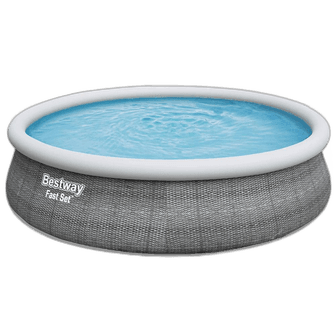
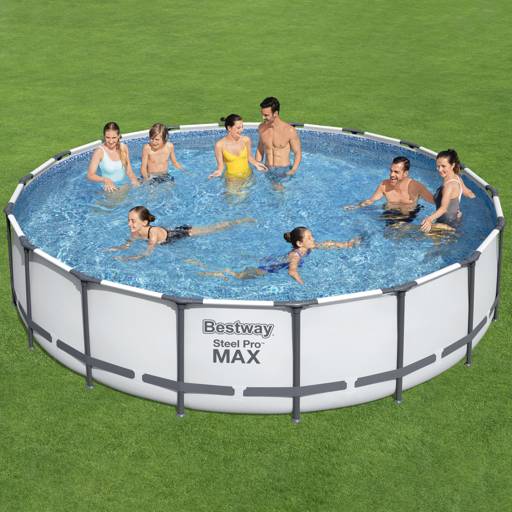
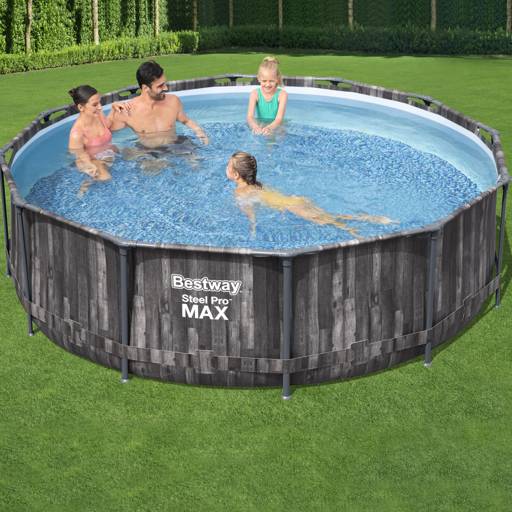
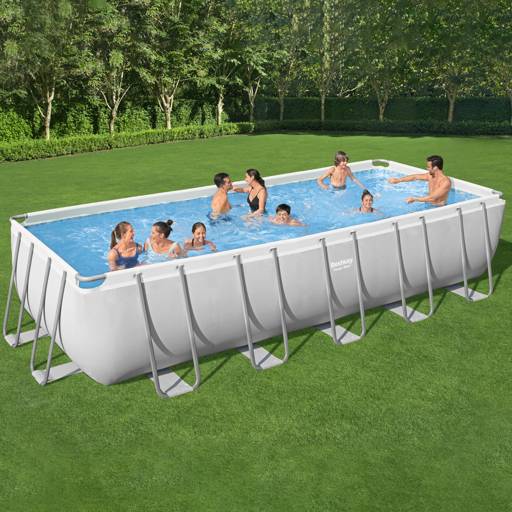
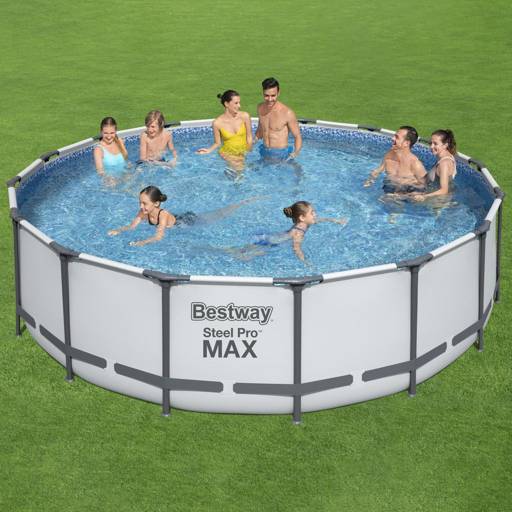
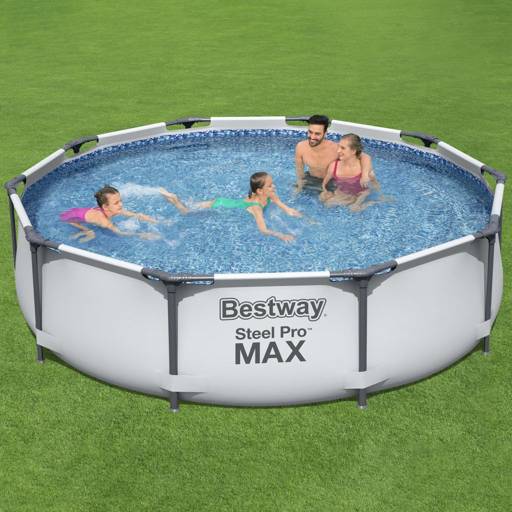
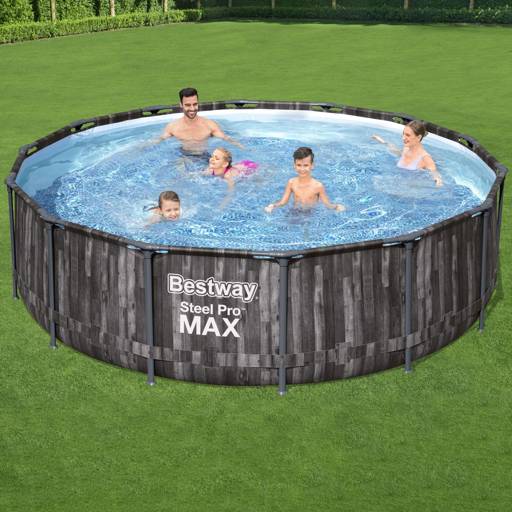
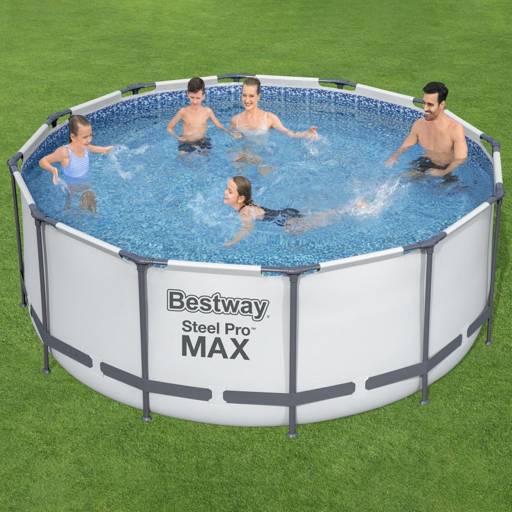
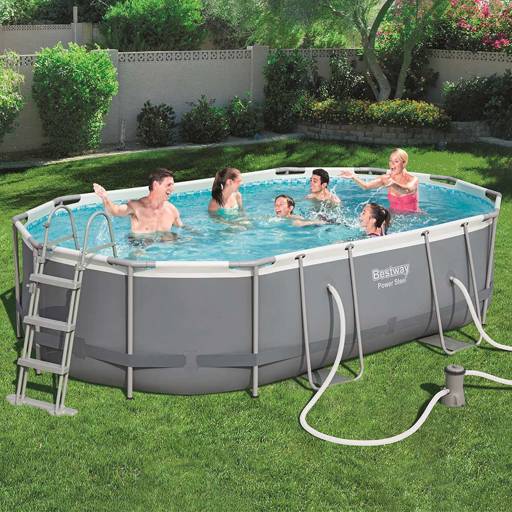
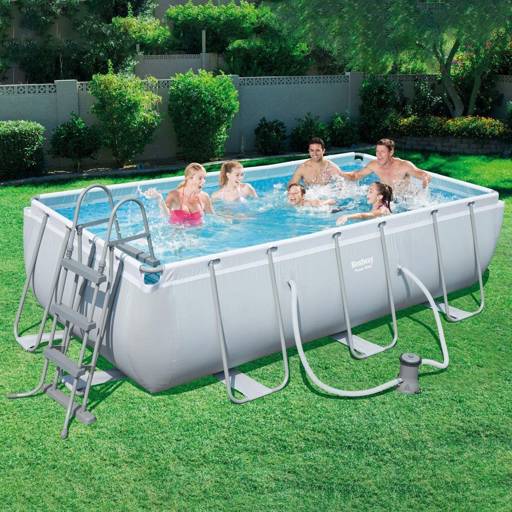
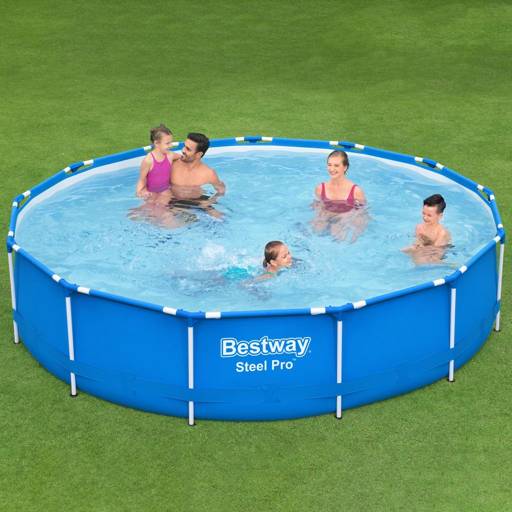
A frame pool is for many the first step to creating their own relaxation zone in the garden. Bestway models enjoy huge popularity due to their easy assembly, affordable price, and solid construction. However, the pool itself set on the grass is just the beginning of the possibilities. A proper enclosure can completely transform its character: from a seasonal attraction, it changes into an elegant, functional space resembling a private SPA. In this article, you will find a comprehensive guide: from the reasons why it is worth making an enclosure, through the choice of materials, to technical issues and a practical step-by-step action plan.
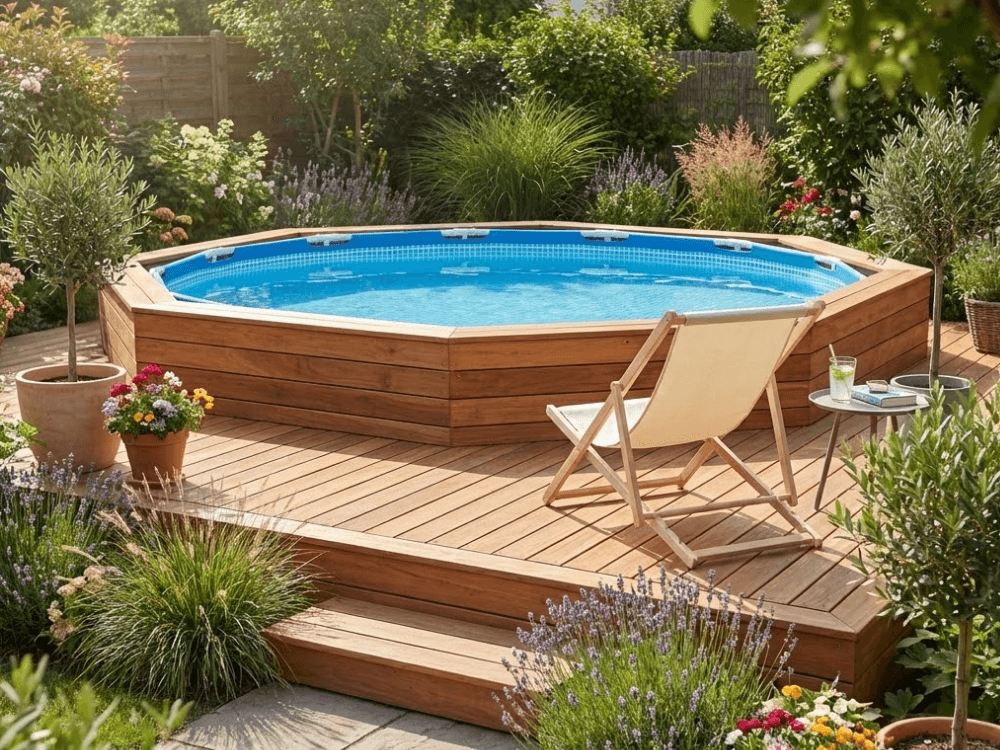
Wood is the most frequently chosen material. It is pleasant to the touch, aesthetic, and blends well with the garden.
Best species:
Advantages:
Disadvantage? Wood always requires regular impregnation.
WPC (Wood Plastic Composite) is a combination of wood flour and plastic. It looks like wood but is much more resistant to moisture.
Advantages:
This is a solution for people who value the aesthetics of wood but do not want to spend time on annual maintenance.
Pallets are an economical and popular solution in DIY projects. Properly protected and sanded, they can create a solid enclosure.
Key rules:
This is an option for people with basic carpentry skills.
Ready-made covers and modular enclosure systems are available on the market. Technorattan is lightweight, moisture-resistant, and looks modern.
Advantages:
This is a good solution if you care about time and aesthetics without major construction work.
When planning the enclosure for a frame pool, it is crucial to ensure free access to all technical elements. One of the most common mistakes is completely covering the filtration system, which in practice means serious problems during every, even minor, failure. The enclosure must not prevent access to the filter pump, valves, hoses, or electrical connections, as these elements require regular inspection, cleaning, and servicing. Even if the installation works flawlessly, you must take into account the need to backwash the filter, replace a gasket, or check the tightness of connections.
The best solution is to plan the structure in such a way that it includes inspection doors, removable panels, or special service hatches. Thanks to this, if necessary, you can quickly get to the devices without dismantling the entire platform or removing the enclosure. Lack of such access means that every failure will require interference with the structure, which generates additional costs, loss of time, and the risk of damaging the finishing elements. Well-thought-out technical access is not a detail, but the foundation of a functional and durable pool enclosure.
When designing a frame pool enclosure, it is extremely important to take into account the natural movement of the structure under the pressure of water. A filled pool exerts very high pressure on the walls and the frame, which expand and move slightly under the load. This phenomenon is completely normal and was foreseen by the manufacturer, however, it can become a problem if the enclosure is made too tight and adheres rigidly to the pool walls. The lack of an expansion gap can lead to stresses, structural deformation, damage to the liner, and in extreme cases, even its tearing. Therefore, an appropriate gap should be left between the pool and the enclosure elements, which will allow the structure to work freely without the risk of damage.
An equally important issue is the proper drainage of moisture from under the platform. Water always appears around the pool and under its structure, whether from splashing during bathing, rainfall, or natural condensation of water vapor. If moisture does not have the possibility of free evaporation or drainage, it can lead to dampness of the joists, mold growth, and gradual rotting of wooden elements. To avoid this, the structure should be separated from the ground, have adequate ventilation, and allow for natural water drainage. A good practice is to use spacers, a drainage layer, or geotextile, which will limit direct contact of the wood with the moist ground. Proper air circulation and humidity control are conditions for the durability of the entire enclosure.
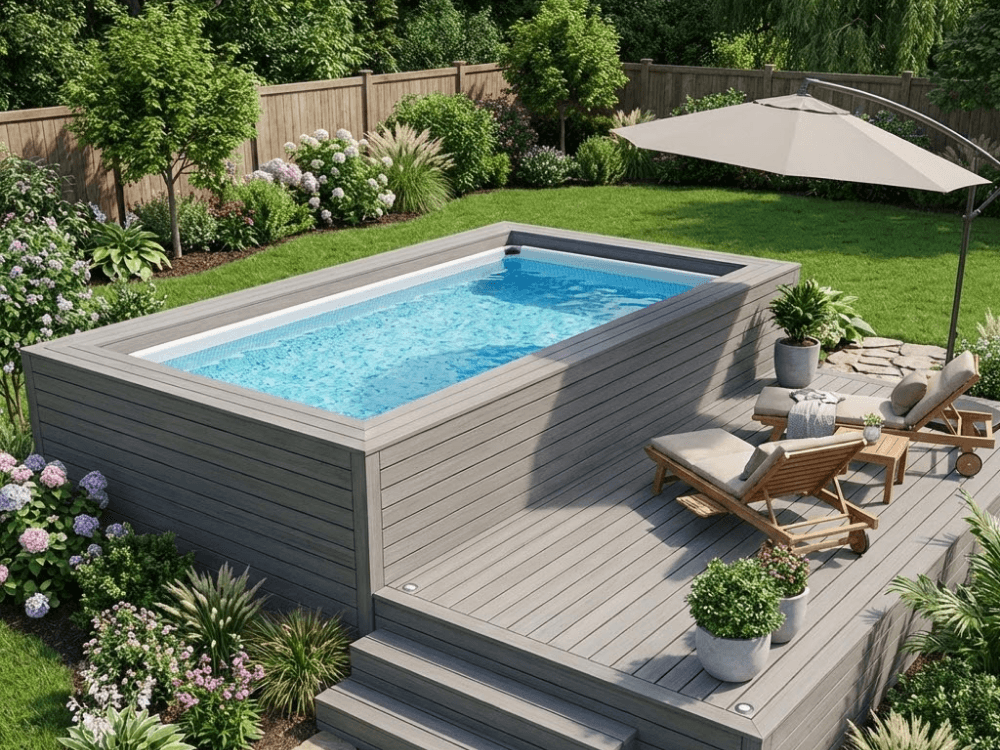
Burying a frame pool directly into the ground is a solution that seems visually attractive at first glance, but in practice, it involves serious structural risks. Pools of this type are not designed to work under the pressure of the earth, but for free placement on a stable, leveled surface. When the walls are covered with soil, lateral pressure appears, which neither the frame construction nor the liner foil is able to safely transfer. Soil, especially damp and compacted, exerts constant, uneven pressure that can lead to deformations of the entire basin.
As a result, wall deformation, stretching or damage to the foil, and even cracking of structural elements may occur. Additionally, such interference usually results in the loss of the manufacturer's warranty. Although the vision of a pool "recessed" into the ground is tempting, without proper retaining walls and a professional load-bearing structure, it constitutes a serious mistake that can end in a costly failure.
To create a real SPA zone, it is worth considering:
Well-chosen accessories increase the comfort and safety of use.
What to surround a frame pool with?
A frame pool is best surrounded with wood, WPC composite, polyrattan, or modular panels, and for a low-budget variant, solidly finished pallets will work well, so as to combine aesthetics, functionality, and safety described in the article.
Does polystyrene under the pool do anything?
Yes, polystyrene under the pool acts as thermal insulation and stabilizes the ground, reducing the risk of foil damage and protecting the water from excessive cooling, which supports the durability and comfort of using the pool.
What cheap thing to put under the pool?
The cheapest solution under the pool is stable leveling of the ground and using a base mat or thick geotextile under the foil, which protects it from damage and contamination without high costs.