A garden bed is a designated part of the garden intended for planting – from flowers and perennials to ornamental shrubs. It can take various forms – from geometric strips along paths to freely shaped landscape compositions. Its main goal is to introduce color, structure, and harmony into the garden space.
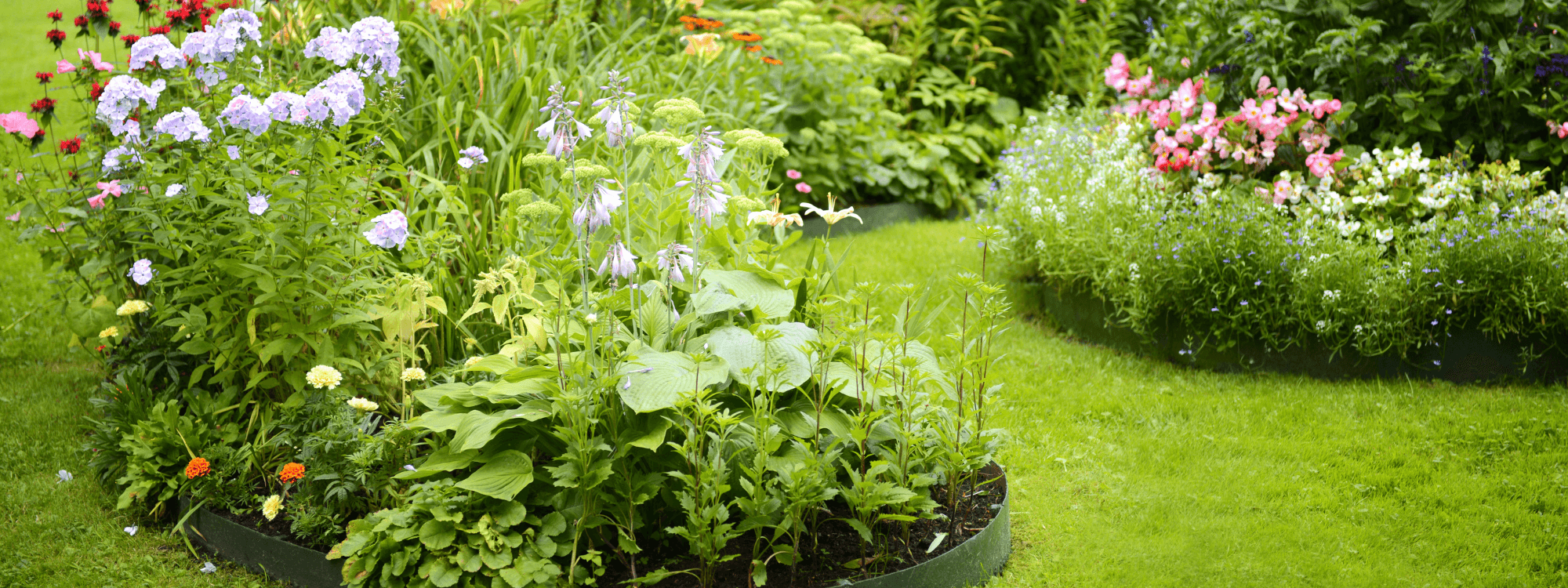
A garden bed is more than just a place for flowers – it is the heart of the garden, its showcase, and often the first point that catches the eye of guests. Properly planned, it can:
👉 Tip: A well-designed garden bed makes maintenance easier. By grouping plants with similar requirements, you save time and water.
Every bed should be designed according to the conditions that characterize a given place:
🔍 How to check the soil? Do a simple test using a jar: fill the jar with soil, pour in water, and shake. After the layers settle, you will see if sand, clay, or silt dominates.
Consider:
By choosing perennials and shrubs, you invest in a long-term structure. Here are some proven suggestions depending on sunlight:
👉 Tip: Always start with structural plants, then complement them with seasonal colors.
Some of the most beautiful beds rely on:
Rules for combining:
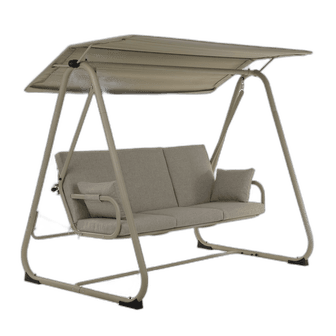
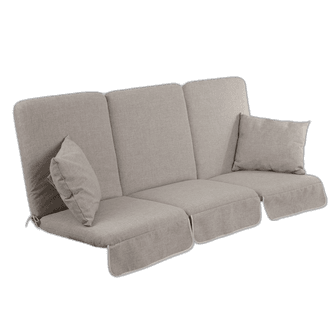
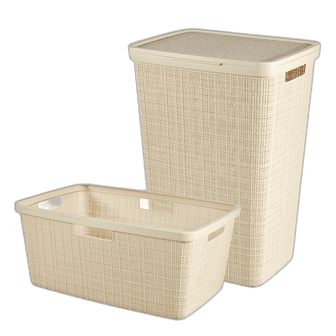
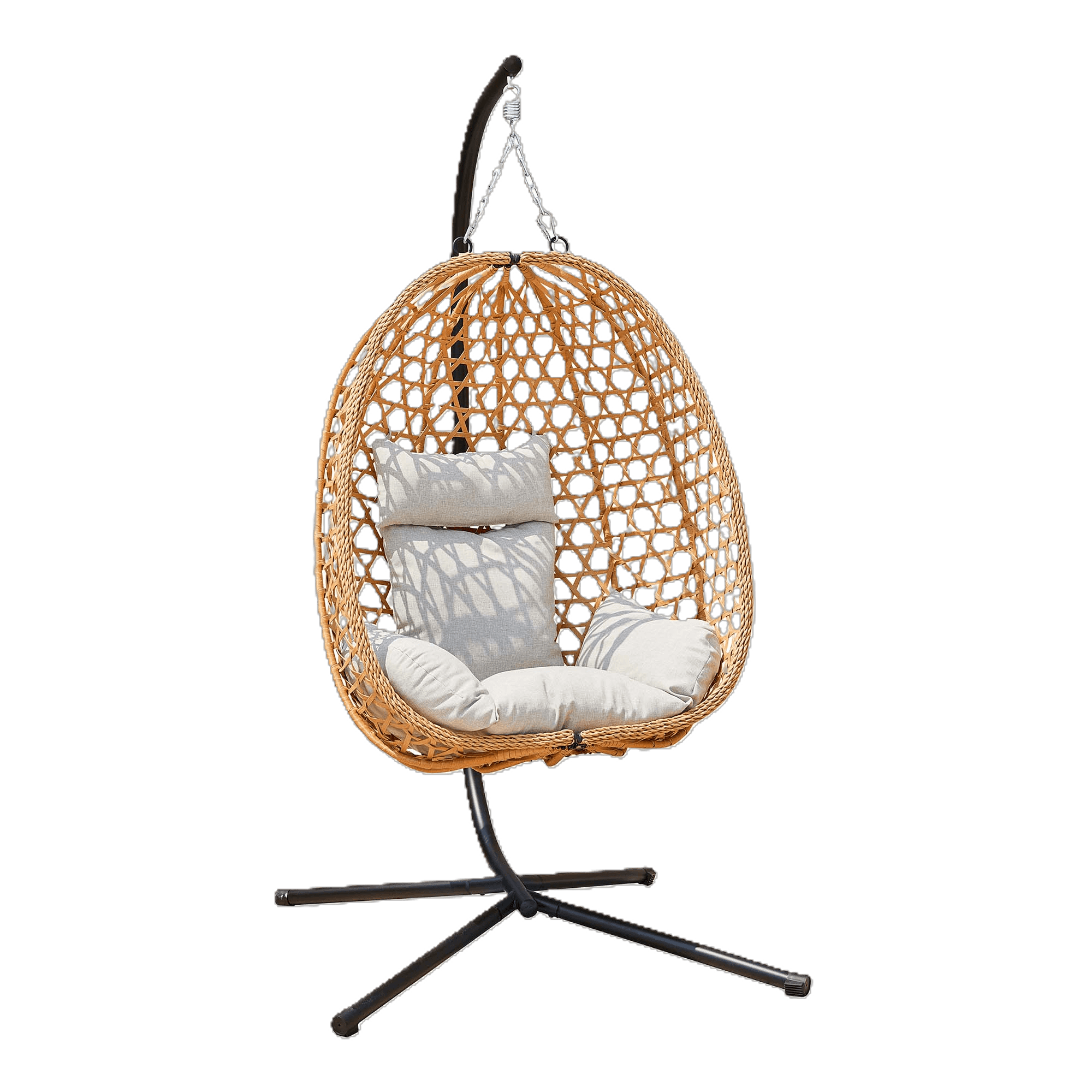
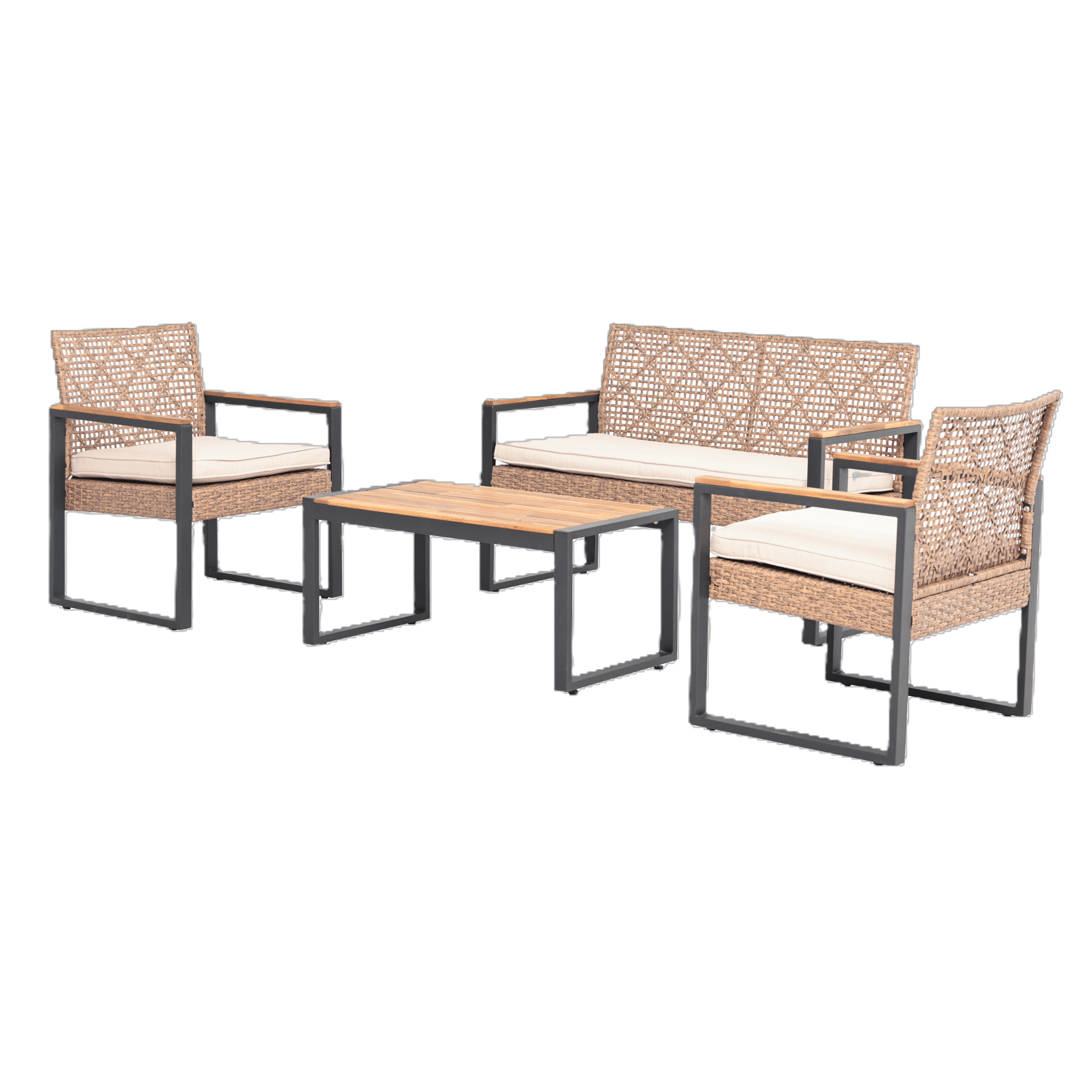
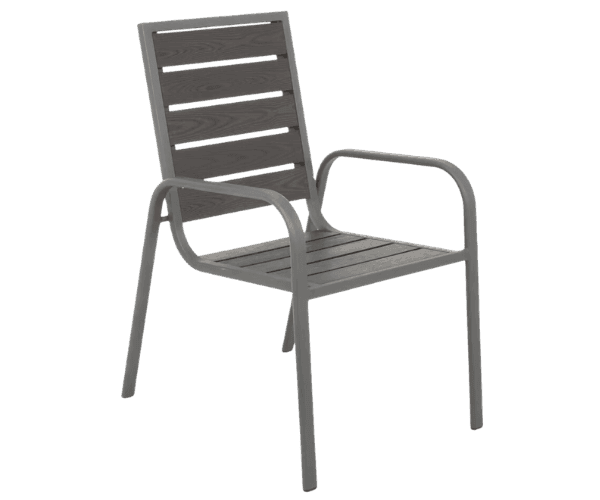
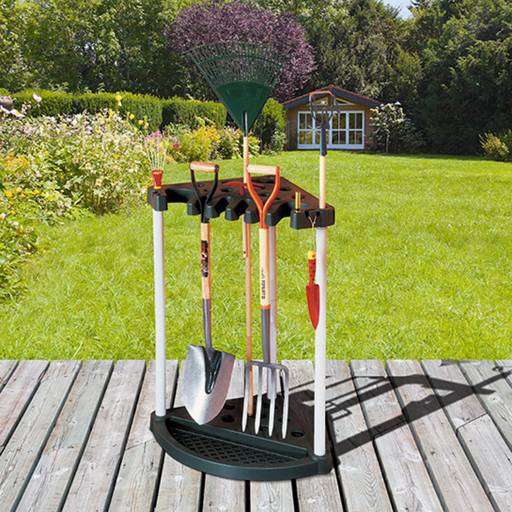
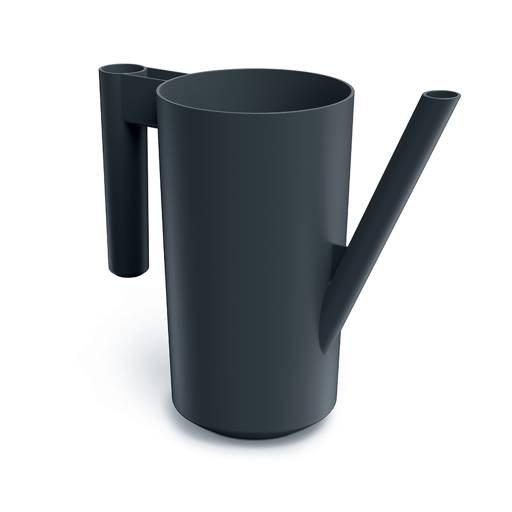
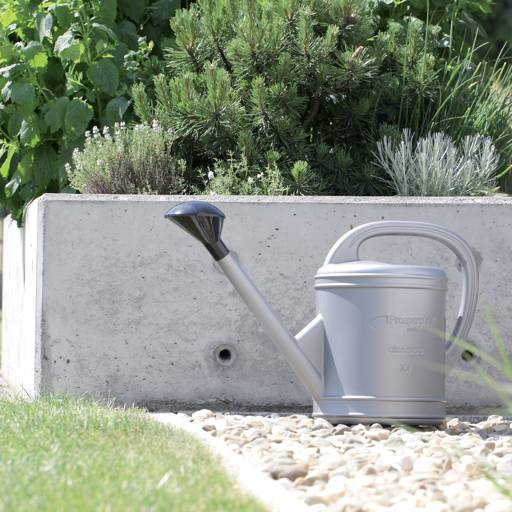
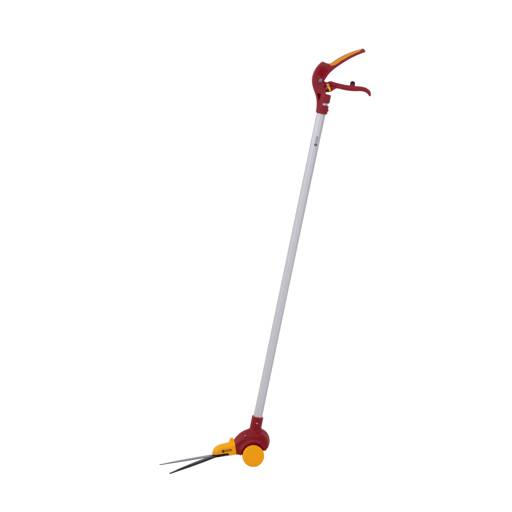
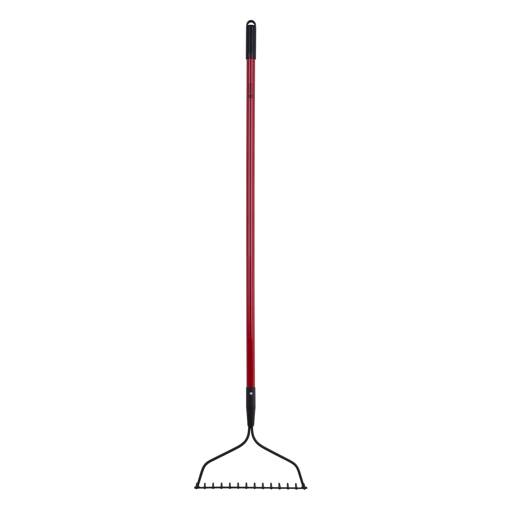
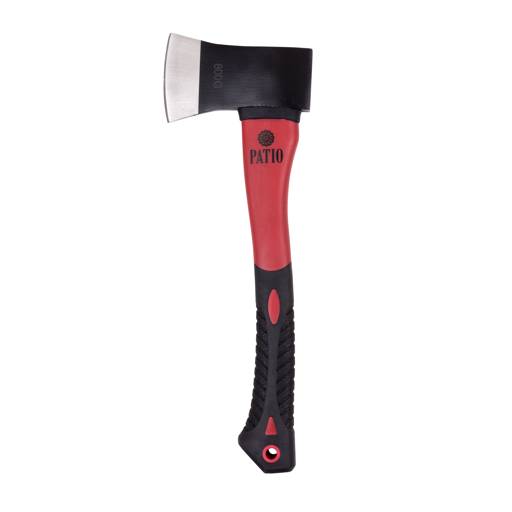
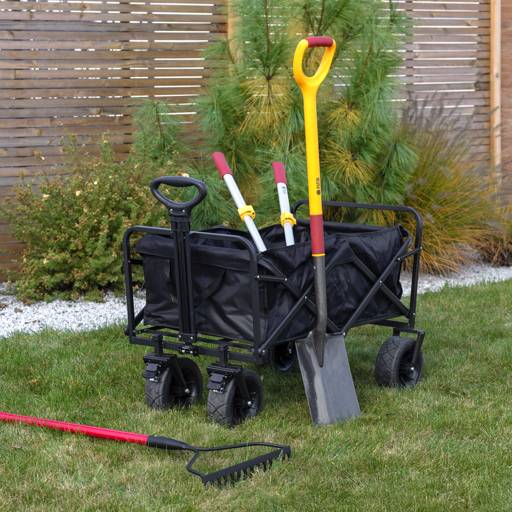
When planning to create a flower bed, it is worth equipping yourself with essential elements that will not only facilitate work but also help create the perfect place to rest next to our garden bed:
Every flower bed needs attention:
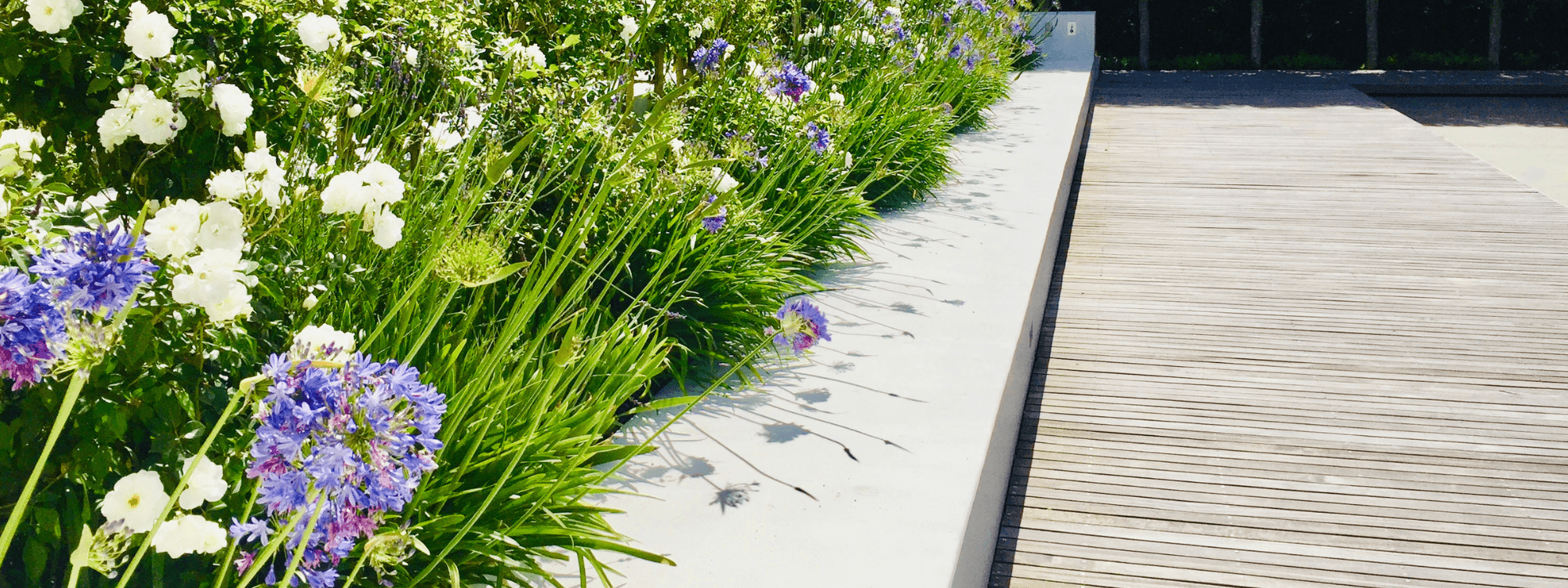
Ideal for sunny spots, near the terrace or fence.
Perennial plants:
Seasonal plants:
Perfect for paths, gazebos, or under tree canopies.
Seasonal plants:
Ideal for places with limited light, e.g., by the north wall of the house.
Seasonal plants:
Best near relaxation areas.
Seasonal plants:
How to plan a garden bed in a small space? On small plots, vertical beds (for example, in cascading planters) or beds along fences work well. It is worth choosing plants with a narrow habit, e.g., miscanthus, lavender, or ornamental grasses.
Can a garden bed be year-round? Yes, if you use evergreen shrubs (e.g., boxwood, holly) and plants that bloom at different times of the year, the bed will be attractive through all seasons.
What are the alternatives to pine bark? Instead of bark, you can use: decorative grit, expanded clay, deciduous tree sawdust, or coconut mulch.
Which flowers are easy to care for for beginners? Rudbeckia, marigold, tagetes, sage, lavender – resistant, low-maintenance, and very decorative.
How to protect a garden bed from cats and dogs? You can use scent repellents, protective netting, or plant species such as common rue or coleus, which deter animals.
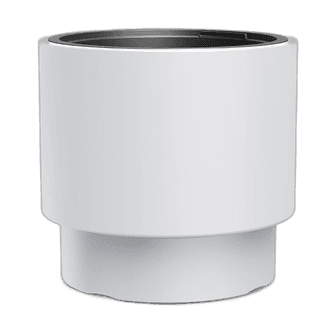
Can pots be part of a garden bed? Yes! Pots help create mobile seasonal compositions or emphasize the rhythm of the bed (e.g., through symmetrical placement).
How to prevent plant diseases in a garden bed? Regularly remove diseased leaves, use natural sprays (e.g., garlic-based), and ensure air circulation – avoid planting too densely.
What to do when a garden bed looks "empty"? Fill it with fast-growing seasonal plants – e.g., sunflowers, marigolds, or ornamental grasses.
Is it worth planting fragrant plants? Yes – they not only add charm but also have a therapeutic effect! Lavender, thyme, mint – they are perfect for relaxation beds.