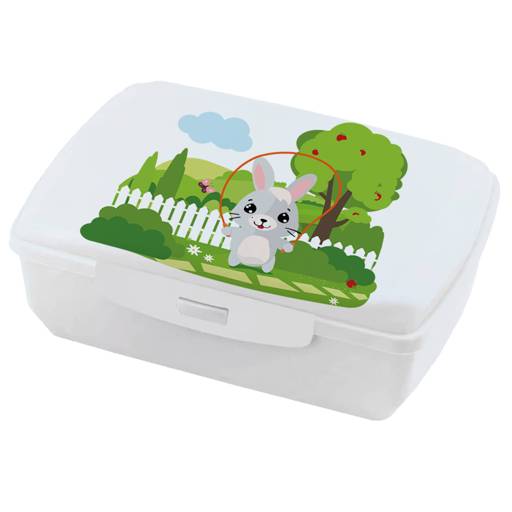
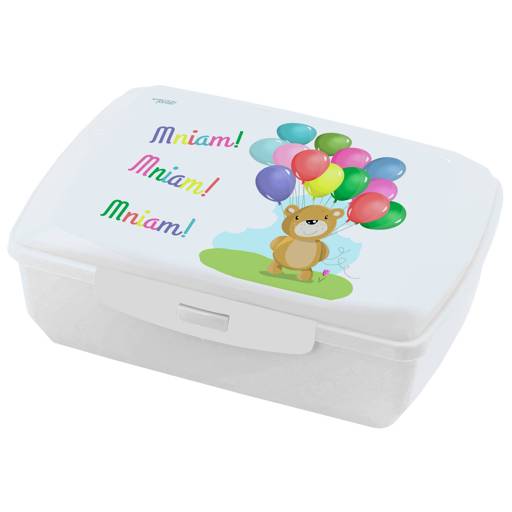
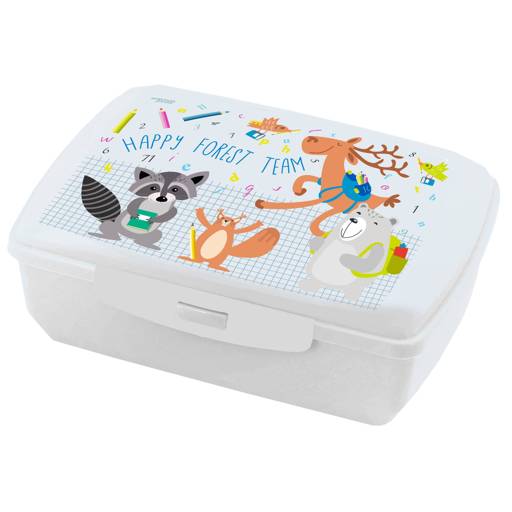
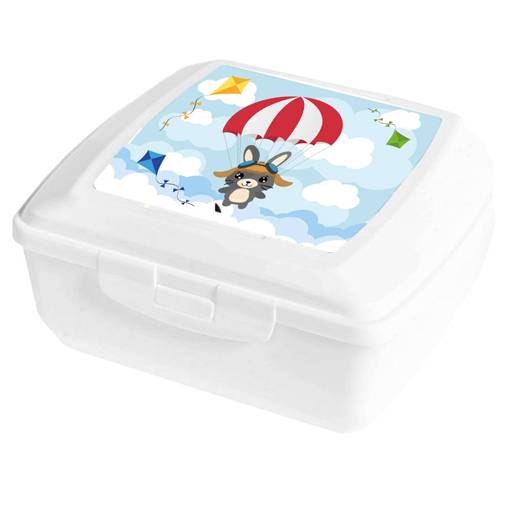
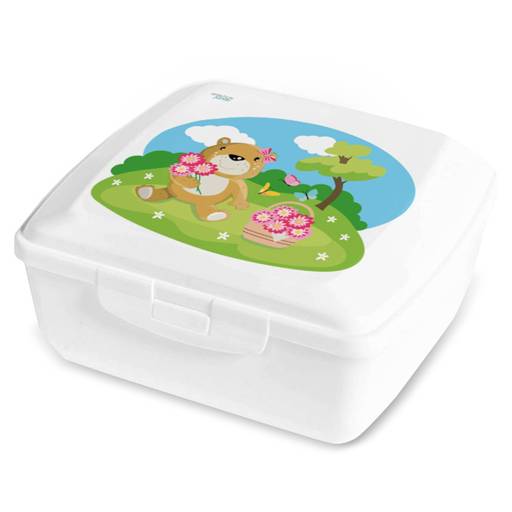
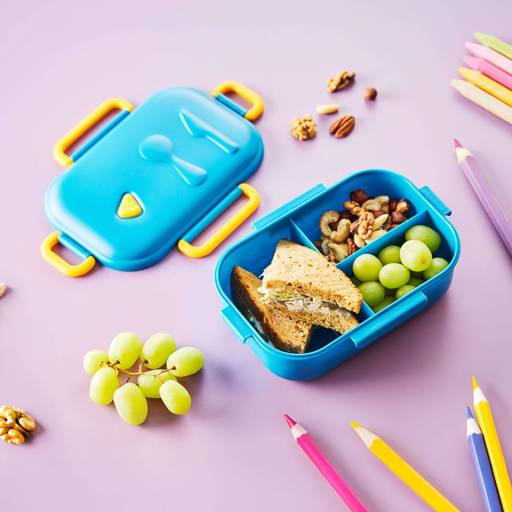
A lunchbox for school is much more than just a sandwich box today. It is a daily companion for every student, influencing not only the child's health and energy but also their eating habits and well-being at school. In times of growing awareness of healthy eating, the right lunch box for children for school is not a gadget, but a tool supporting development. From this article, you will learn which lunchbox models are the most practical, how to compose nutritious meals, and you will discover proven lunch box for school recipes that children will love!

A well-planned meal is more than just a full stomach. The right portion of energy, vitamins, and protein has a direct impact on a child's concentration, memory, and immunity. On the other hand, an aesthetically packed lunch can encourage even the pickiest eater to eat broccoli. A lunchbox is also a way to limit fast food, unhealthy snacks, and excess sugar in a child's diet.
Furthermore, a lunchbox is also a convenience for the parent. By preparing meals in advance, we save time and money, and we also avoid buying more expensive ready-made products at the school shop every day.
On the market, we can find many models ranging from classic plastic ones, through bento boxes with compartments, to advanced thermal containers made of stainless steel. When choosing a lunchbox, the three most important criteria are: material safety (BPA FREE), leak-proofness, and practicality in washing.
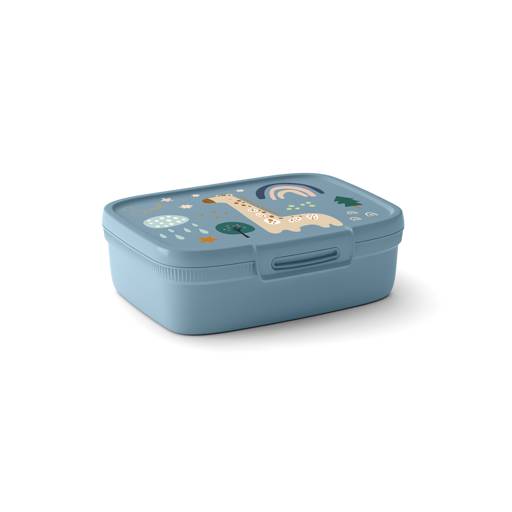
For younger children, it is worth choosing colorful, lightweight containers with compartments, as children then eagerly reach for a meal that looks like a colorful puzzle. For older students, a lunch box in subdued colors, which is more "adult" and durable, will be a good choice.
If you are packing warm dishes, e.g., soup or pasta, invest in a thermal lunchbox. It maintains the temperature well for up to 6 hours and does not require reheating at school.
When composing a lunch box for children for school, it is worth sticking to the rule:
protein + vegetable + fruit + carbohydrates + drink
Thanks to this, the child gets a wholesome, balanced meal that provides energy for many hours of learning.
An example set could look like this:
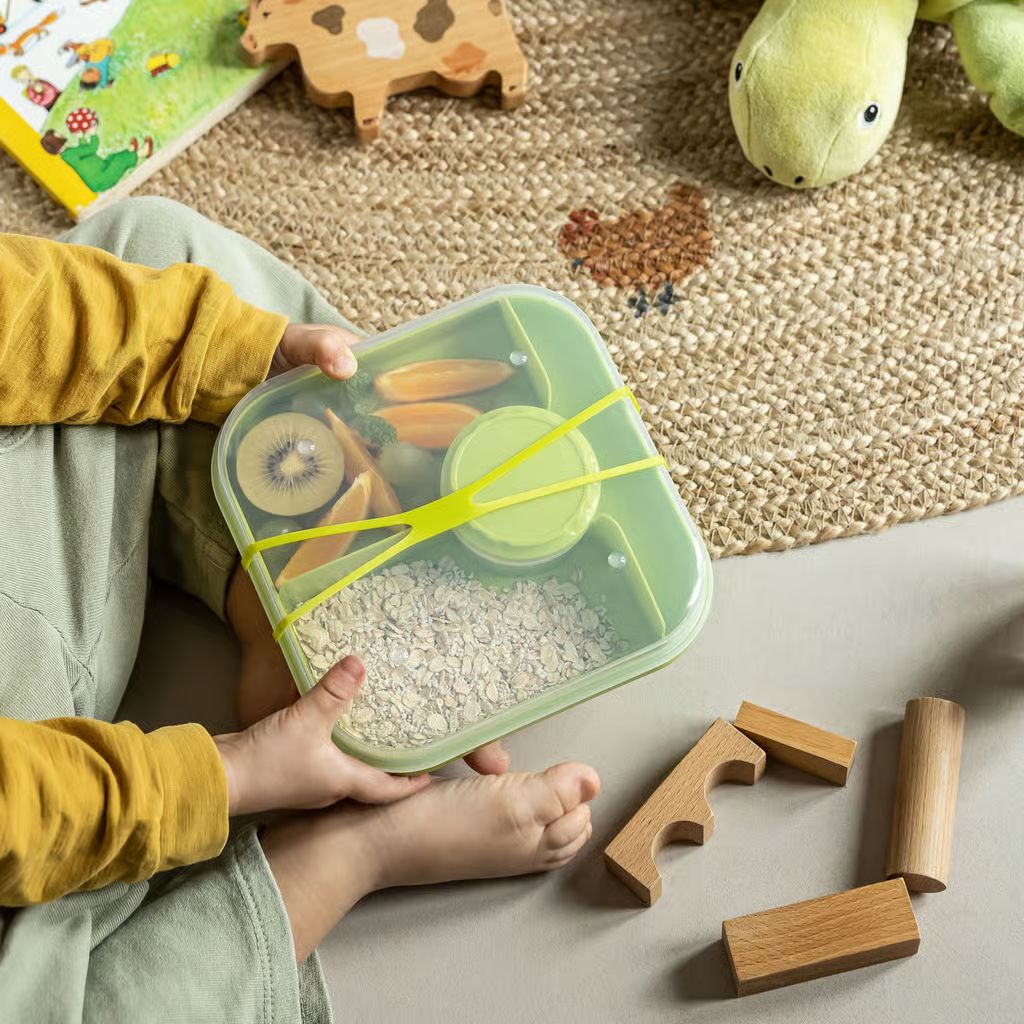
In the daily rush, lunchbox recipes must be simple, quick, and possible to prepare the day before. Here are some of our proven suggestions:
Vegetable muffins with egg and cheese Mix eggs with a bit of milk, add grated zucchini, carrot, your favorite cheese, and spices. Pour into molds and bake for 20 minutes at 180°C. Great both cold and warm.
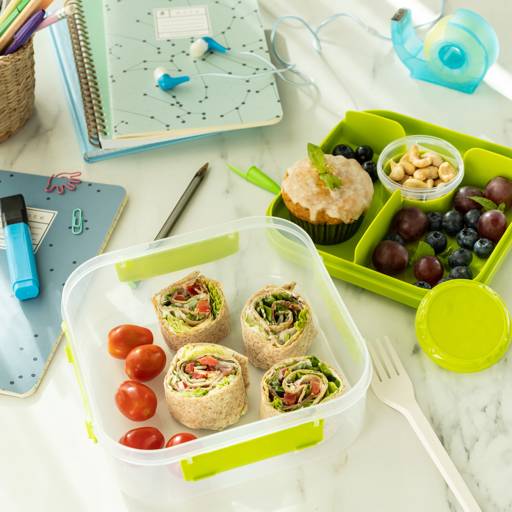
Tuna wraps Mashed tuna with natural yogurt, cucumber, and dill wrapped in a tortilla. Cut into rings and arrange in compartments.
Zucchini pancakes Grated zucchini, egg, a bit of flour, spices. Fried on a dry pan – perfect for a lunchbox with natural yogurt as a dip.
Bento box full of colors Put rice balls in one compartment, chopped vegetables in the second, hummus or cottage cheese in the third, and dried fruit or nuts in the fourth.
Such meals not only look great but also satisfy various needs of the child: taste, nutritional, and visual.
It is best to create a simple weekly plan. This will help you avoid morning chaos and ensure the meals are diverse:
Plan your shopping on the weekend, prepare some ingredients in advance (e.g., cooked vegetables or baked muffins), and assemble the rest in the morning or evening.
A good lunchbox is also a way to reduce waste. Instead of packing food in foil, bags, and paper, reach for reusable containers, cutlery, and water bottles. A lunchbox not only serves for years but also teaches the child to care for the environment.
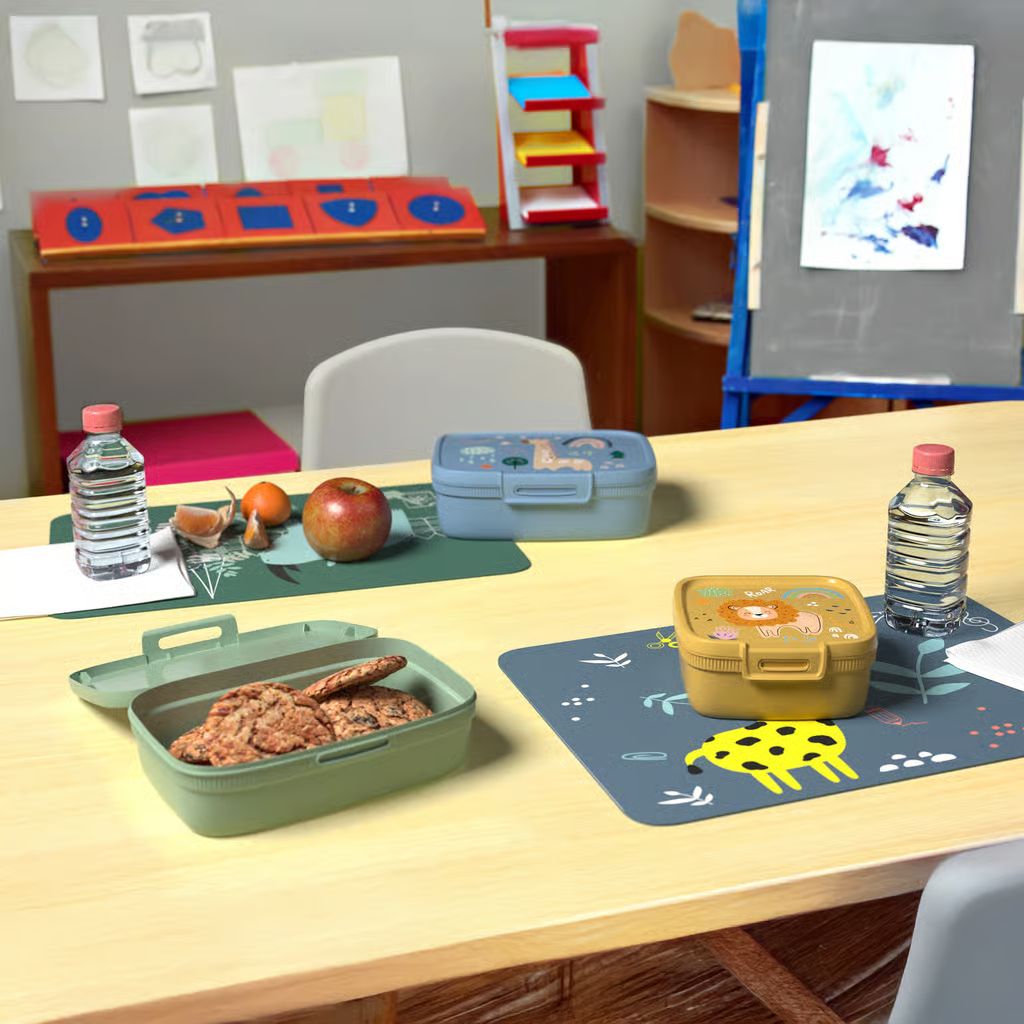
Choosing the right lunchbox for school can be key to maintaining the freshness and aesthetics of a meal. Children are more likely to reach for dishes packed in colorful, functional, and convenient boxes. With the daily needs of students in mind, we have prepared a list of recommended lunch containers from Dajar that will work great in a school backpack.
Lunchbox Curver Smart To Go Eco Line 1.6 l – integrated set with cutlery This container is a real gem for parents who value practicality and order. Built-in cutlery, a tight lid, and a capacity of 1.6 liters make it easy to fit a whole, wholesome lunch. Thanks to being made of Eco Line material, it is also environmentally friendly.
Curver Snap Box 1.3 l – a classic in a modern edition Simple but extremely functional lunchbox with a solid "snap" type closure. It will work great for packing larger portions – like pasta with vegetables or rice with meat. The compact shape allows for easy placement in a backpack.
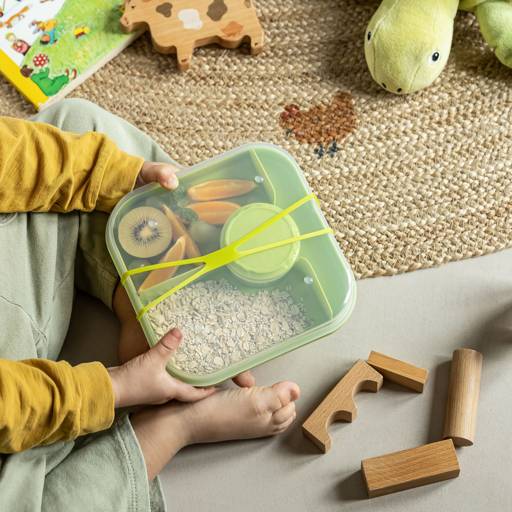
Lunchbox BranQ Lido Baby with compartments – ideal for a toddler This lunchbox with compartments is an excellent choice for younger children. You can aesthetically separate fruit, a sandwich, vegetables, and a small snack in it. Thanks to its small size, it will fit even into the smallest backpack, and children love its organized layout.
Glass container Rillet AMBITION 1.5 l – heat-resistant glass (–100 °C to +300 °C), tight lid with a seal and air vent, possibility of heating in the microwave without removing the lid. Ideal for larger portions of soup or one-pot dishes.
It is worth diversifying the lunchbox, introducing new ingredients gradually, and involving the child in choosing the menu. When they decide for themselves what they will eat, they will be more likely to reach for it.
A school lunchbox is more than just packaging for a sandwich. It is a way to take daily care of your child's health, energy, and smile. By choosing the right model and planning meals in advance, you ensure the best possible start for them every day. Thanks to our recipes and tips, your children's school lunch box will always be colorful, healthy, and full of flavor!
What to take to school instead of sandwiches?
Instead of sandwiches to school, you can take wraps, vegetable muffins, salads, vegetable pancakes, or a bento box with snacks.
What are some ideas for a second breakfast at school without bread?
Ideas for a second breakfast at school without bread include tortillas with vegetables and hummus, hard-boiled eggs with vegetables, pasta salads, vegetable muffins, zucchini pancakes, yogurt with granola, and rice balls with toppings.
What to make for school breakfast quickly?
For a quick school breakfast, you can prepare a wrap with egg paste, yogurt with fruit and cereal, mini tortillas with cheese and vegetables, banana muffins, or a sandwich with vegetable paste and vegetables.
Can the lunchbox be washed in the dishwasher? Yes, most models are suitable for dishwasher cleaning. Just make sure the manufacturer allows it.
How to keep food fresh until 1-2 PM? Pack lunch in the fridge in the evening and use cooling inserts. Avoid ingredients that spoil easily without refrigeration.
Can a child pack their own lunchbox? Of course! This is a great opportunity to learn independence and healthy habits. Give them 2–3 options to choose from and plan the meal together.
How often should the lunchbox be replaced? Recommended replacement is every 1–2 years or when visible damage occurs (cracks, wear of seals).
Is the lunchbox only suitable for school? No, it will work well on trips, picnics, sports activities, and during travel.